
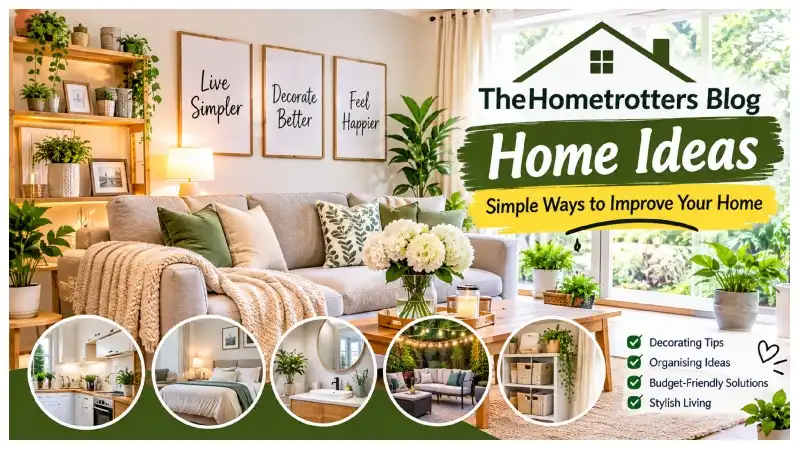
A comfortable and attractive home does not always require expensive furniture or major renovations. Sometimes, small changes can make a significant difference in how a living space looks and feels. From improving lighting to organising furniture, simple home improvements can create a more welcoming environment while making everyday activities easier.TheHometrotters Blog Home Ideas focuses on practical inspiration for people who want to improve their homes without unnecessary spending. Whether you live in a small apartment or a spacious family house, the right decorating choices can help you create a space that reflects your personality and lifestyle.
The best approach is to understand what your home needs before starting any project. With thoughtful planning, affordable materials, and a little creativity, you can make your living space more organised, functional, and comfortable.
Why Simple Home Improvements Matter
Your home should support your daily routine and provide a comfortable place to relax. However, outdated decorations, poor lighting, and unnecessary clutter can make rooms feel less inviting.
Small improvements can solve many of these problems. For example, rearranging furniture may create more walking space, while adding shelves can help organise everyday belongings. Changing curtains or introducing a few decorative accessories can also refresh a room without requiring a complete makeover.
Home improvements also allow you to make better use of your existing space. Instead of replacing everything, consider which items still serve a useful purpose and which areas need attention.
Start with one room, identify its main problems, and choose changes that offer practical benefits.
1. Refresh Your Walls with New Colours
Wall colours have a strong influence on the overall appearance of a room. Applying a new layer of paint can give an old room a fresher, brighter, and more appealing look.
Light shades such as white, cream, beige, and soft grey work well in smaller rooms because they reflect light and create an open appearance. If you prefer a more colourful interior, consider using a deeper shade on one wall to create an attractive focal point.
You can also improve plain walls with framed photographs, artwork, mirrors, or floating shelves.
Before choosing paint, consider your existing furniture, flooring, and natural lighting. Test a small area first because colours can look different under daylight and artificial lighting.
2. Improve Lighting Throughout Your Home
Good lighting makes a room more comfortable and practical. A single ceiling light may not provide enough illumination for reading, cooking, working, and relaxing.
Consider combining different lighting options to meet your needs. Ceiling lights provide general illumination, table lamps create comfortable reading areas, and floor lamps can brighten darker corners.
Natural daylight also plays an important role. Keep windows clean, choose suitable curtains, and avoid blocking windows with large furniture.
When buying light bulbs, check their brightness and colour temperature. Warm white lighting often creates a relaxing atmosphere in bedrooms and living rooms, while neutral white lighting can work well in kitchens and study areas.
3. Organise Rooms to Create More Space
Clutter makes rooms look smaller and can make everyday tasks more difficult. An organised home feels more comfortable because everything has a suitable place.
Begin by clearing out belongings that you no longer need or use. Then organise the belongings you want to keep using baskets, drawer dividers, shelves, and storage containers.
For example, you can keep blankets in decorative baskets, arrange kitchen supplies in labelled containers, and use under-bed storage for seasonal clothing.
Multifunctional furniture can also help. Storage beds, folding tables, and ottomans with hidden compartments provide extra storage without taking up unnecessary space.
Try to organise one area at a time. TheHometrotters Blog Home Ideas simple approach makes the process manageable and helps you maintain a tidy environment.
4. Choose Furniture That Fits Your Lifestyle
Furniture should provide comfort and support your daily activities. However, buying large pieces without measuring your rooms can create unnecessary problems.
Before purchasing a sofa, dining table, or wardrobe, measure the available space. Remember to leave enough room for doors, drawers, and comfortable movement.
If you have a smaller home, choose furniture that serves more than one purpose. A sofa bed can provide additional sleeping space, while a folding dining table can make a compact kitchen more practical.
Think about your household’s needs as well. Families with children may prefer durable materials that are easy to clean, while people who work remotely might need a comfortable desk and supportive chair.
Choose furniture for long-term comfort rather than following every passing design trend.
5. Bring Natural Elements Indoors
Natural materials can make indoor spaces feel warmer and more inviting. Wooden furniture, cotton fabrics, woven baskets, and indoor plants are simple ways to introduce natural details.
Houseplants are especially useful for adding colour and visual interest. Popular choices include pothos, spider plants, and snake plants. However, each plant has different requirements, so consider its light, water, and temperature needs before bringing it home.
You can also introduce natural textures through wooden picture frames, jute rugs, and linen curtains.
Avoid overcrowding rooms with too many decorative items. A few carefully selected pieces often create a more balanced appearance.
6. Make Your Kitchen More Functional
The kitchen is a central part of daily life and serves many important household activities.A practical arrangement can make cooking, cleaning, and food preparation much easier.
Begin by clearing unnecessary items from countertops. Keep frequently used appliances accessible and store equipment you rarely need inside cupboards.
Simple organisation ideas include:
- Use drawer dividers to organise cutlery.
- Store dry ingredients in suitable containers.
- Install hooks for frequently used utensils.
- Arrange spices where you can reach them easily.
- Store cleaning supplies in a secure place, separate from food items.
You can also refresh your kitchen by replacing outdated cabinet handles or adding a suitable backsplash.
Before purchasing materials, check their durability and suitability for areas exposed to moisture, heat, and regular cleaning.
7. Create a Peaceful and Comfortable Bedroom
A bedroom should provide a relaxing environment where you can rest comfortably. You do not need expensive decorations to create a pleasant atmosphere.
Start with clean bedding, comfortable pillows, and suitable curtains. Soft colours such as cream, pale blue, and muted green can help create a calm appearance.
Good storage also matters. Use wardrobe organisers, bedside drawers, and storage boxes to keep personal belongings organised.
Avoid placing unnecessary furniture around the bed. Leaving enough open space makes the room easier to clean and move around.
A bedside lamp, soft rug, and a few personal decorations can complete the look without making the space feel crowded.
8. Give Your Bathroom a Simple Refresh
Bathrooms can benefit from small improvements just as much as other rooms. Start by organising toiletries, replacing worn towels, and removing empty containers.
Wall-mounted shelves and storage baskets can help make better use of limited space. A new mirror, updated cabinet handles, or a fresh shower curtain can also improve the room’s appearance.
Do not overlook ventilation. Bathrooms produce moisture, especially during showers and baths. Use an effective exhaust fan or suitable ventilation system to help remove excess humidity.
Repair leaking taps and pipes promptly, and clean damp surfaces regularly. These simple maintenance habits can help prevent moisture-related problems.
9. Improve Your Outdoor Living Space
A balcony, patio, or garden can become a useful extension of your living space. Even a small outdoor area can provide a comfortable place to relax.
Start with suitable seating and a few plants. If floor space is limited, consider vertical planters or hanging pots.
For a larger garden, keep pathways clear, maintain plants regularly, and choose outdoor furniture that can handle local weather conditions.
You can also add suitable outdoor lighting to improve visibility during the evening. Before making changes, consider how you plan to use the area, whether for relaxing, reading, or spending time with family.
10. Plan Improvements Around Your Budget
A realistic budget helps you complete home improvement projects without creating unnecessary financial pressure.
Before buying anything, list your priorities and compare available options. Separate essential repairs from optional decorating projects.
For example:
- Essential: Repair damaged wiring, plumbing problems, and water leaks.
- Practical: Improve storage, lighting, and furniture arrangements.
- Decorative: Add artwork, cushions, plants, and new accessories.
Complete safety-related repairs before spending money on decoration. For larger projects involving electrical systems, plumbing, or structural changes, consult a qualified professional.
It is also worth considering maintenance costs. A product with a lower purchase price may not provide good value if it requires frequent replacement.
Common Home Improvement Mistakes to Avoid
Even small decorating projects can become expensive when you overlook important details. Avoid these common mistakes:
Ignoring measurements: Always measure rooms and furniture before purchasing large items.
Following every trend: Choose designs that match your lifestyle instead of copying every popular decorating style.
Overdecorating: Too many accessories can make rooms feel crowded and difficult to maintain.
Ignoring maintenance: Small problems, such as leaking taps or damaged seals, can become more expensive if left unattended.
Spending without planning: Set a clear budget and focus on improvements that offer genuine value.
Making thoughtful decisions from the beginning can save both time and money.
Conclusion
Improving your home does not always require major renovations or expensive purchases. Small changes to furniture, lighting, storage, wall colours, and decorations can make everyday living more comfortable.
TheHometrotters Blog Home Ideas provides a useful starting point for exploring practical ways to refresh your living space. The most important thing is to choose improvements that match your needs, personal taste, and available budget.
Whether you’re improving a small apartment, refreshing your kitchen, or making your bedroom more comfortable, begin with one simple project manageable project. With careful planning and consistent maintenance, you can gradually create a home that feels more welcoming, functional, and enjoyable.
Frequently Asked Questions (FAQs)
1. What are TheHometrotters Blog Home Ideas?
TheHometrotters Blog Home Ideas is a topic centred on home inspiration, interior decorating, organisation, and practical improvements that can make everyday living spaces more comfortable.
2. How can I improve my home without spending much money?
You can rearrange furniture, organise storage, repaint walls, update curtains, and introduce affordable decorative accessories. These simple updates can give your home a fresh look without the need for extensive renovation work.
3. How can I make a small room look bigger?
Use light colours, mirrors, suitable lighting, and multifunctional furniture. Keeping floors and surfaces organised can also make a room feel more spacious.
4. Which home improvements should I prioritise?
Start with safety issues and necessary repairs, including plumbing problems, electrical faults, and water leaks. After that, focus on storage, lighting, comfort, and decoration.
5. How can I keep my home organised?
Create designated storage areas, remove unnecessary belongings, and return frequently used items to their proper places. Regular cleaning and short organising sessions can help maintain a tidy home.For more information visit our site daily